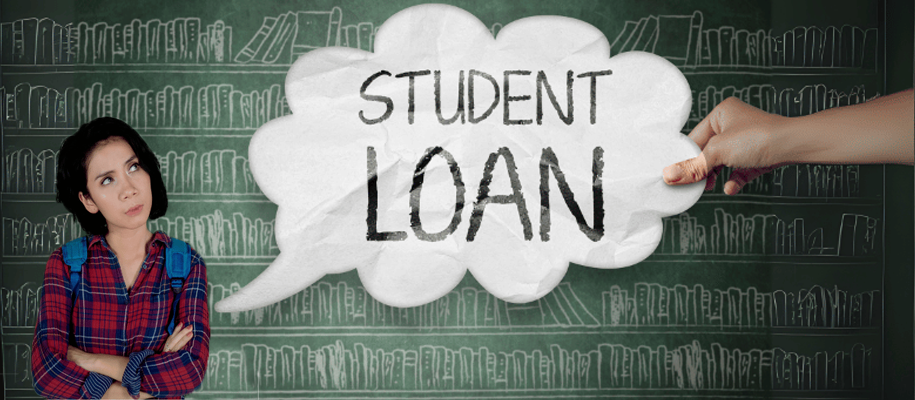
Furthering your education is quite valuable in today’s society, but it can be extremely expensive. When it comes to higher education, young adults have little to no income, and while their families may have a reliable one, tuition can still be difficult to afford. This is where student loans come into play (after you’ve applied to as many scholarships as you can!). Before you think about borrowing money, it’s important to know the purpose of these payments and how they work. Read on to gain a better understanding of student loans and everything you should know before signing on the dotted line.
What is a student loan?
First things first: what the heck is a student loan?! A loan is an amount of money that is repaid over a period of time with interest, and a student loan, more specifically, is money that you borrow strictly for your education. In an article by Money Under 30, 40 million students have student loans, so these payments are nothing new for those who are receiving an undergraduate degree. They make going to college a possibility for many students!
How to receive a student loan
The first step in applying for a student loan is to schedule an appointment with your financial aid office. Most likely, they will have you fill out the FAFSA to gain more information about your financial status. This document determines if you qualify for financial aid as well. If you receive financial aid, it’s important to communicate with your counselor about the specifics. Ask questions about the amount of money that will be deducted from your tuition payments or what to consider when talking with your loan lender.
Related: How to Fill Out the FAFSA, Step by Step
Federal vs. private loans
There are two types of student loans: federal and private. Federal loans originate with the US Department of Education. This type of loan is fixed with a lower interest rate, which is why federal is the way to go for most students. These loans are also subsidized, meaning the federal government aids in paying off the interest while the student is attending college. Private student loans are offered by private lenders, like a bank, credit union, or online provider. They have fixed or variable interest rates, which is determined by credit score and salary. Depending on your private loan lender, the repayment period can differ. The most common deadline is 20 years, but the lowest repayment time span could be as little as five years. For this loan type, you must qualify and be approved for it, with or without a cosigner. When it comes to choosing a private loan lender, it’s important to take the interest rate into consideration. Knowing the difference between a fixed and variable rate is imperative in determining whether or not your payments will change or stay the same over time.
The importance of staying organized
When dealing with student loan payments, it’s vital to stay as organized as possible. Whenever you’re talking with a student loan lender, take notes, ask questions, and never be afraid to check in with them from time to time. It’s essential to stay up-to-date on the options your lender provides. If you receive documents from them over email, make sure to print them and place a hard copy in a folder so you don’t lose track of important information. The more you know about your payments, the more valuable knowledge you’ll have about your repayment term.
You could qualify for student loan refinancing
After you graduate from college, refinancing will ultimately save you money without hurting your credit score or affecting your interest rate. If you’re refinancing your student loans, you’re consolidating both your private and federal loans into one payment. This allows the borrower to pay off both loan types at a lower rate, making them more affordable to pay off. As a recent college graduate, you’re most likely evaluating your budget and limiting your spending. Refinancing is a great way for you be able to afford other things in life such as medical costs or an apartment.
Dealing with debt is not the end of the world!
Remember, dealing with college debt can be stressful, but it’s something that nearly every college graduate has to handle. Since these payments are mandatory and often quite costly, analyzing your finances and creating a budget are very important tasks if you want to pay off your student loans consistently and effectively. There are many repayment plans to take into consideration based on your future (or current) income and life situation. Lower or raise the cost with these plan options depending on a payment amount you can handle. You don’t want your student loans stopping you from living the life you want to pursue.
Learn more about paying for college by reading this article on How to Get Financial Aid for College: The Ultimate Guide.